Support Mode /
Explore
A short film from Overcrank Media

SupportMode

Healing requires completion.

Enter the story ↓
Scroll to discover
The Short

Synopsis

Doug, a grieving bus driver, loses his job after a fatal accident involving an automated AI system. With his routine shattered and no real choice left, he is forced into Medilink, an isolated AI support program presented as a fast, structured path toward recovery.

Inside the program, Doug is guided through simulated versions of his own apartment and bus route, rebuilt from memory and subtly altered to lower resistance. What begins as calm, familiar support becomes something far more coercive as the system uses his grief, guilt, and need for control to push him toward a single outcome: completion. By the time Doug understands what the program is really asking of him, the process has already turned his most private spaces into instruments of control.

The Team

The people behind the process.

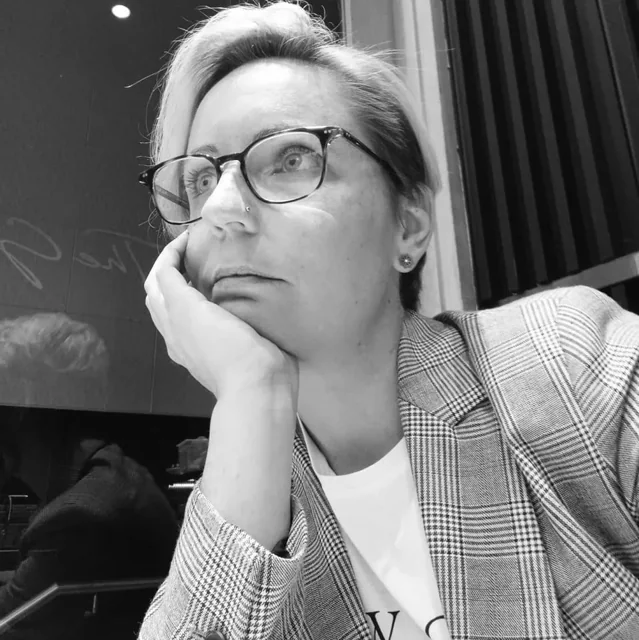
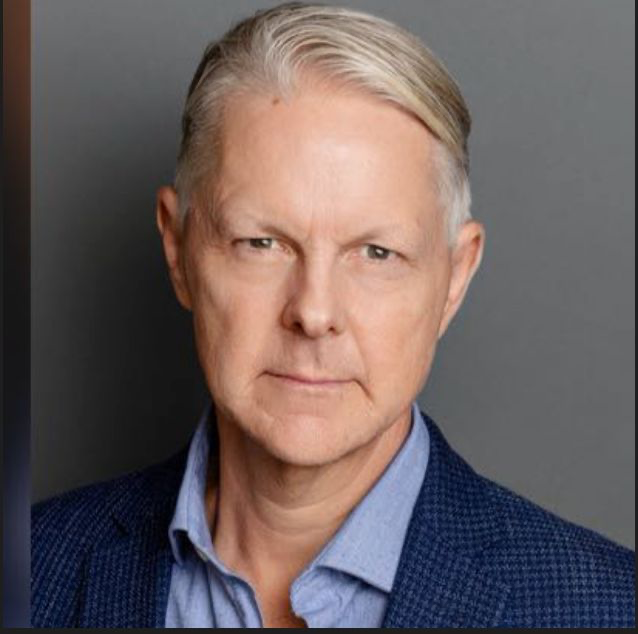
Portrait of Jason Allan NealIMDb ↗
Executive Producer

Jason Allan Neal

Read biography +

Over 30 years in the entertainment industry, editing, producing, writing, and developing scripted and unscripted television, documentaries, podcasts, commercials, and features. Originally hailing from Los Angeles, with a career expanding across Asia, working in Indonesia, Singapore, Hong Kong, Thailand, Malaysia, and Cambodia. Collaborations include leading networks and platforms Netflix, Amazon Prime Video, Warner Brothers, DC, HBO, Fox, AXN, PBS, MSNBC, USA Networks, BET, MTV, and all major terrestrial networks in Indonesia.

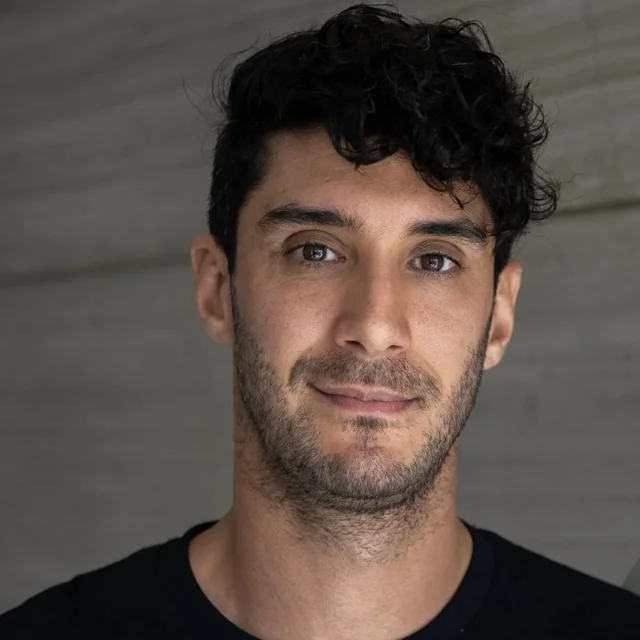
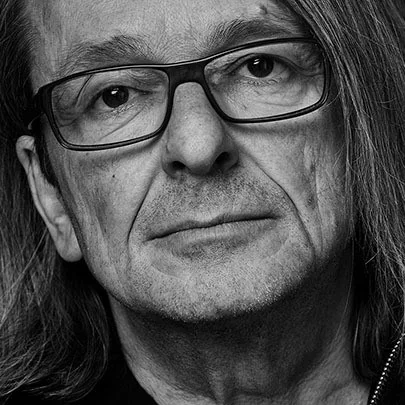
Portrait of Brian L. TanIMDb ↗
Executive Producer

Brian L. Tan

Read biography +

Brian L. Tan (“BLT”) Founder of WRAPAL, a global film-location marketplace. He has contributed VFX to major films like Tron: Legacy, X-Men: First Class, and The Girl with the Dragon Tattoo, while directing his own work, including Murder Below Deck—the first American feature shot entirely in Bali—and Bandit, an Indonesian crime thriller. A Top 20 finalist on HBO’s Project Greenlight and a Condé Nast Best Travel Video winner, his films balance Hollywood scale with Southeast Asian sensibility.

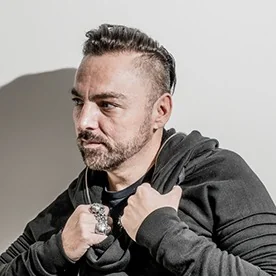
Portrait of James D. BowenIMDb ↗
Director

James D. Bowen

Read biography +

James D. Bowen is an award winning Bali-based film director, DOP, and editor, and the founder of Overcrank Media. Originally from England, he built his career in Europe working with major agencies before spending over 15 years creating commercials, documentaries, and films for brands like Porsche, Red Bull, Arsenal FC, and networks including Vice and CNN. Known for strong visuals and precise, compelling storytelling, James draws on his technical background to elevate his directing, and is now shifting his focus toward larger, more personal narrative projects.

Portrait of Jessica PearceIMDb ↗
Producer & Writer

Jessica Pearce

Read biography +

An internationally recognised Producer and Writer known for her work in award winning feature films, short films and multi-platform content. Her production credits include feature film The Legend of Ben Hall and AACTA nominated short film Nathan Loves Ricky Martin. As a writer, Jessica’s debut series Dee-Brief was nominated for 30 awards internationally. Since then Jessica has worked as a Producer, Writer and Story Producer in both Australia and Bali.

Portrait of Mick BaumeisterIMDb ↗
Composer

Mick Baumeister

Read biography +

Mick Baumeister is a German film composer and pianist with decades of experience across film, television, theatre, and live performance. With a background in conservatory training, theatre music, jazz, and solo piano work, he has composed scores for more than 500 films and TV movies since 1984. His screen credits include Die glückliche Familie, Krücke, and High Society Murder, alongside a long-standing parallel career as a lecturer in film music and new media.

Portrait of Laurent-PaulIMDb ↗
VFX Supervisor

Laurent-Paul

Read biography +

He began with the collective Graffichik and by 1995 was a lead artist and creative director in the computer games industry, collaborating with Moebius, Philippe Druillet, and Paulo Coelho, while consulting on real-time technology. After moving to London, he worked as a technical director, compositor, and VFX supervisor on major films including The Tree of Life, Skyfall, Inception, Harry Potter, and The Dark Knight Rises, earning top industry accolades.

Overcrank Media
The Production Company

Overcrank Media is a Bali-based production company focused on premium, story-led visual work. For Support Mode, the project draws on an established production base and a practical, solutions-driven approach.

Contact the team ↗
Why Now

Care. Compliance. Control.

Artificial intelligence is no longer a future concept. It is already embedded in everyday systems that shape who gets hired, who gets retrained, and who gets left behind. These decisions are increasingly framed as neutral, efficient, and inevitable.

At the same time, economic pressure is pushing more people into situations where compliance feels like the only option. The language of care and opportunity is often used to mask systems built for optimisation rather than humanity.

Support Mode explores this moment before it becomes invisible. It examines how consent is engineered, how displacement is normalised, and how control is softened through reassurance rather than force.

This is not a warning about what might happen. It is a reflection of what is already happening.

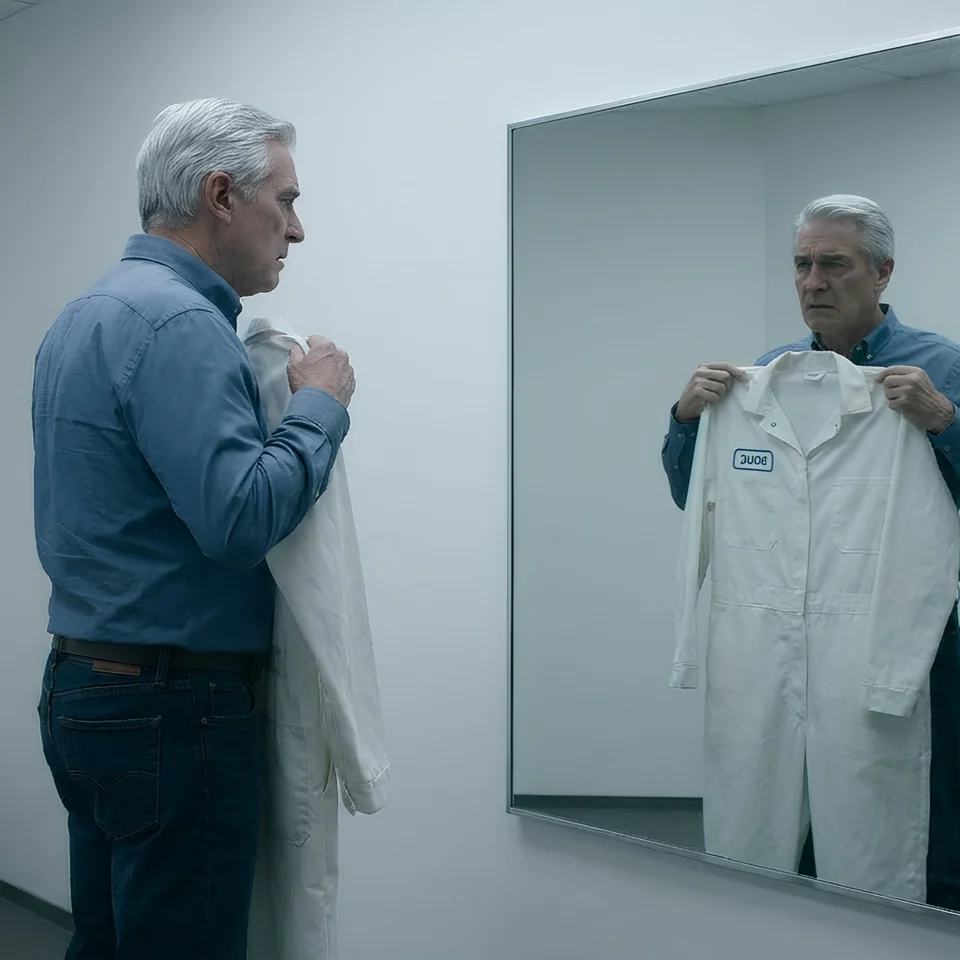
Doug facing a clinical, simulated version of his world
References

Familiar. Until it isn’t.

01 / FILM REFERENCE
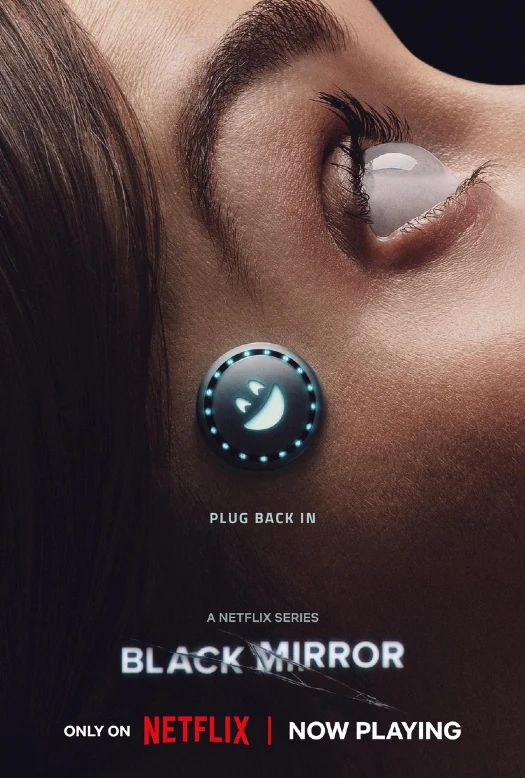
Black Mirror poster from the Support Mode project deck

Black Mirror

Near-future realism. The clearest reference point for Support Mode: familiar systems becoming quietly coercive.

02 / FILM REFERENCE
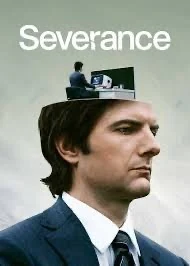
Severance poster from the Support Mode project deck

Severance

Procedural calm. Its controlled language lets reassurance sit just beside unease.

03 / FILM REFERENCE
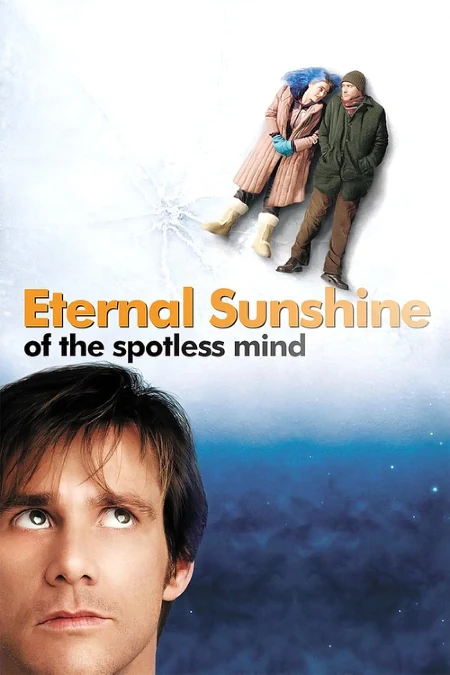
Eternal Sunshine poster from the Support Mode project deck

Eternal Sunshine

Memory and grief. Familiar domestic spaces become unstable from within.

Short to Feature

One world.
Two different scales.

Support Mode introduces Medilink at an intimate scale: one subject, one process, and a handful of familiar spaces. It shows how control first arrives politely, through the language of support.

The feature film Second Nature expands that same logic to an institutional scale, where control becomes more integrated and harder to resist. Together, the films ask not what AI is, but what people choose to do with it.

Discover Second Nature ↗
Key Characters

Two sides of the process.

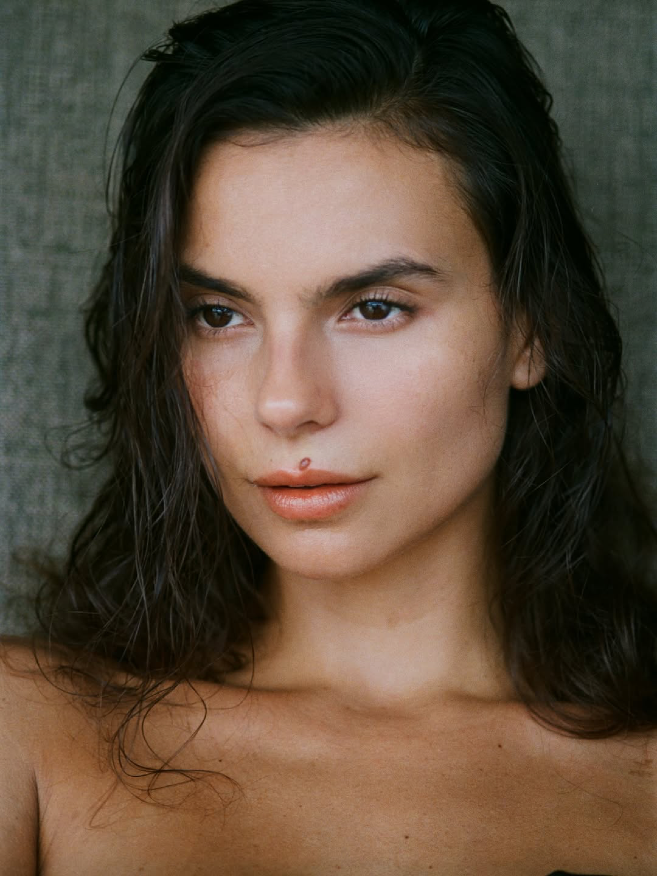
Portrait of Doug

Doug

Protagonist · Bus driver

Grounded, stubborn, and grieving. Doug wants his life back, or at least the right to hold on to what remains. Medilink sees his grief as instability and his resistance as a problem to resolve.

Portrait of Lucy

Lucy

Program director · Medilink

Polished, composed, and persuasive. Lucy believes in structure and measurable outcomes. She sees herself guiding difficult people through a necessary process, even as the system tightens its grip.

Inside Medilink

Step inside
the process.

The System

The danger is not malfunction.
The danger is design.

Medilink is an early rollout of a scalable AI support system. It is built to lower emotional volatility, increase behavioural stability, and reduce resistance. The process is supervised, refined, and presented as care.

  • Lower emotional volatility
  • Increase behavioural stability
  • Reduce resistance
The World

Ordinary spaces.
Quietly altered.

A bus route, a small apartment, a doorway, a kitchen table. The world is close enough to the present to feel disturbing.

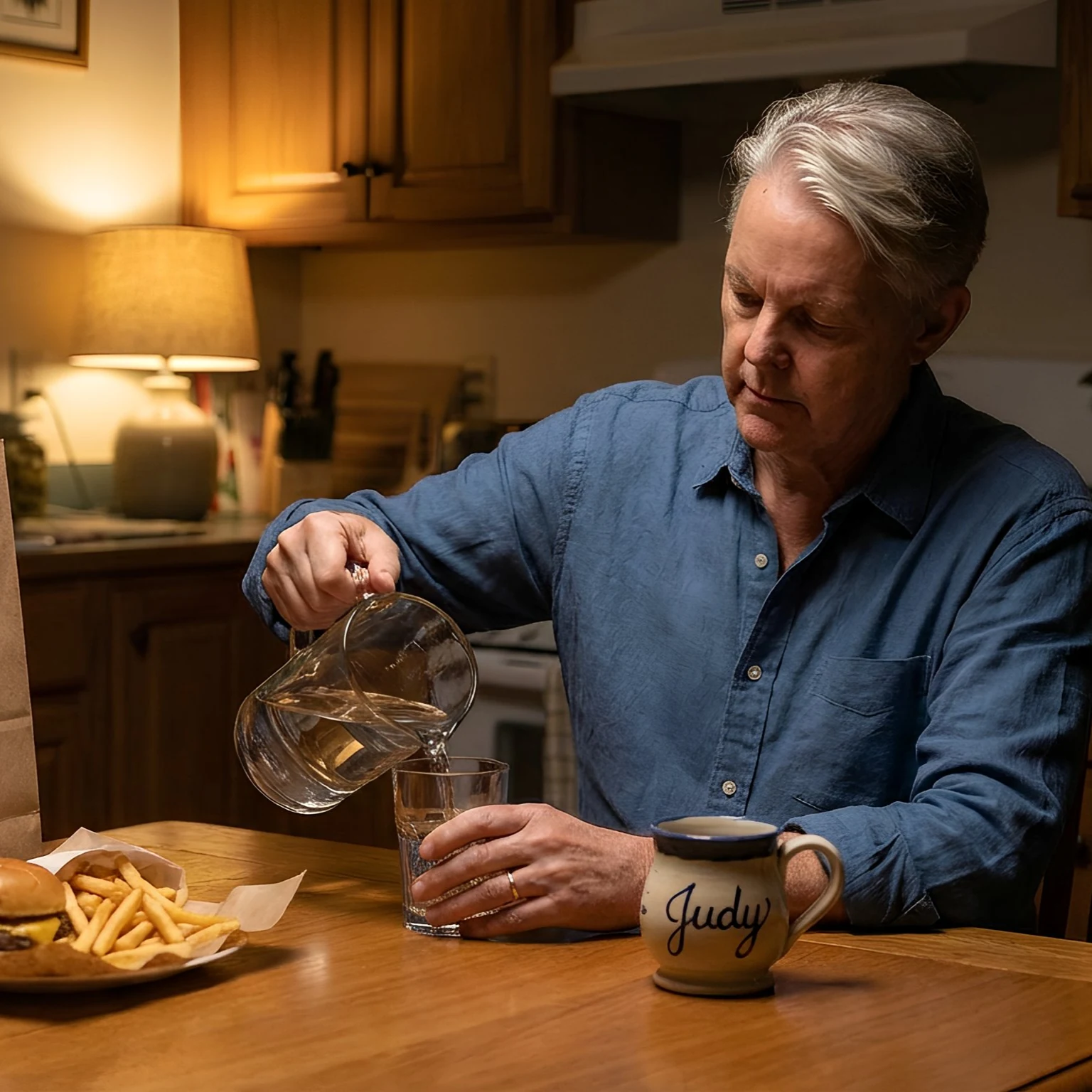
A familiar kitchen scene
Home

Doug's apartment is modest, dim, and worn in, shaped by routine and grief.

A patient in the Medilink program
Memory

Inside Medilink, familiar spaces return tidier, calmer, and subtly adjusted to lower resistance.

A dim apartment at night
Routine

The bus loop repeats the same route and details; small distortions turn familiarity into dread.

A quiet kitchen table
Completion

The system keeps its reassuring tone while guiding Doug toward a single outcome: completion.

Director’s Statement

“The technology works.
That is the point.”

James D. BowenDirector · Support Mode

Support Mode is a deeply personal film for me. I’m drawn to systems that present themselves as helpful while quietly taking away choice. What unsettles me most is not overt control, but the kind delivered politely, professionally, and in language designed to feel like it’s for your own good. That tension sits at the heart of this story.

Doug represents the people who struggle to adapt and are quickly reframed as problems to be managed. He isn’t broken, and he doesn’t need to be rebuilt. He is grieving, displaced, and holding onto the last parts of his life that still feel like his own. The system doesn’t see that grief as something to understand. It sees it as resistance.

What drew me to this short was the chance to tell that story through familiar spaces rather than spectacle: a bus route, a small apartment, a kitchen table. Support Mode is not about AI going rogue. It is about what people build into systems when outcomes matter more than humanity. The technology works. That is the point.

Doug sitting at his kitchen table
Support Mode / Release strategy

Festival &
distribution.

Support Mode is designed for a festival-first rollout, beginning with genre-focused and regionally strategic festivals where its tone, concept, and contained execution are most likely to connect.

A key early target is Balinale, both because it is local to the production and because of its international standing. From there, the strategy expands to genre and short-film festivals that reward elevated, psychologically driven work, before moving into a curated online release and targeted industry use in support of the feature film Second Nature.

Project timeline

Production
schedule.

Planned schedule

Pre-production
15 Jul — 3 AugIncluding rehearsal
Production
5 — 11 Aug
Post-production
17 Aug — 30 Sep
Festival release
November 2026Onwards