
Near-future realism
Black Mirror
Familiar systems become quietly coercive.
01 The short
Doug, a grieving bus driver, loses his job after a fatal accident involving an automated AI system. With his routine shattered and no real choice left, he is forced into Medilink, an isolated support programme presented as a fast, structured path toward recovery.
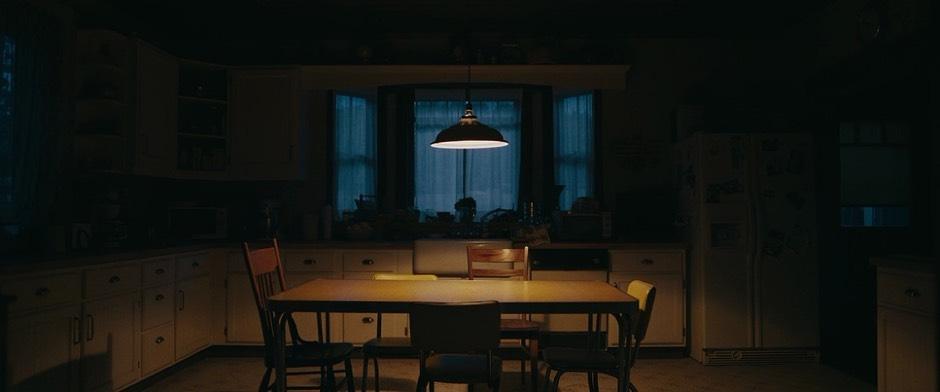
Inside the programme, familiar versions of his apartment and bus route are rebuilt from memory, then altered to lower resistance. The system uses Doug’s grief, guilt and need for control to move him toward completion. By the time he understands what the process is asking of him, his private spaces have become instruments of control.
02 The team
A short film brought together by its producers, director, composer and visual effects supervisor.
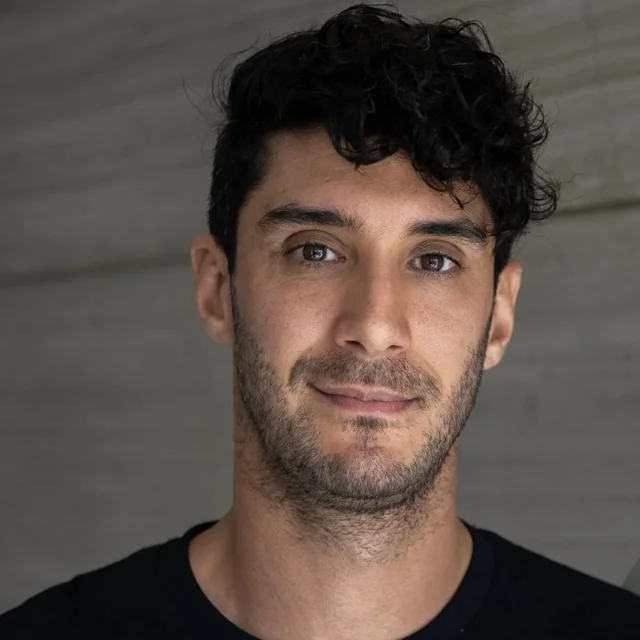
James D. Bowen is a Bali-based film director, DOP and editor, and the founder of Overcrank Media. Originally from England, he built his career in Europe working with major agencies before spending over 15 years creating commercials, documentaries and films for brands like Porsche, Red Bull and Arsenal FC, and networks including Vice and CNN. Known for strong visuals and precise storytelling, James is now shifting his focus toward larger, more personal narrative projects.
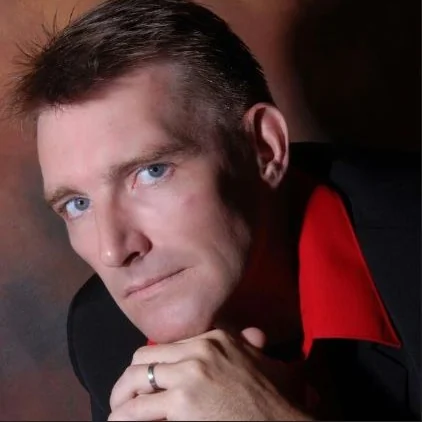
Over 30 years in the entertainment industry, editing, producing, writing and developing scripted and unscripted television, documentaries, podcasts, commercials and features. Originally from Los Angeles, his career has expanded across Indonesia, Singapore, Hong Kong, Thailand, Malaysia and Cambodia, with collaborations across leading international networks and platforms.

Brian L. Tan (“BLT”) is the founder of WRAPAL, a global film-location marketplace. He has contributed VFX to major films including Tron: Legacy, X-Men: First Class and The Girl with the Dragon Tattoo, while directing his own work, including Murder Below Deck and Bandit. He was a Top 20 finalist on HBO’s Project Greenlight and a Condé Nast Best Travel Video winner.
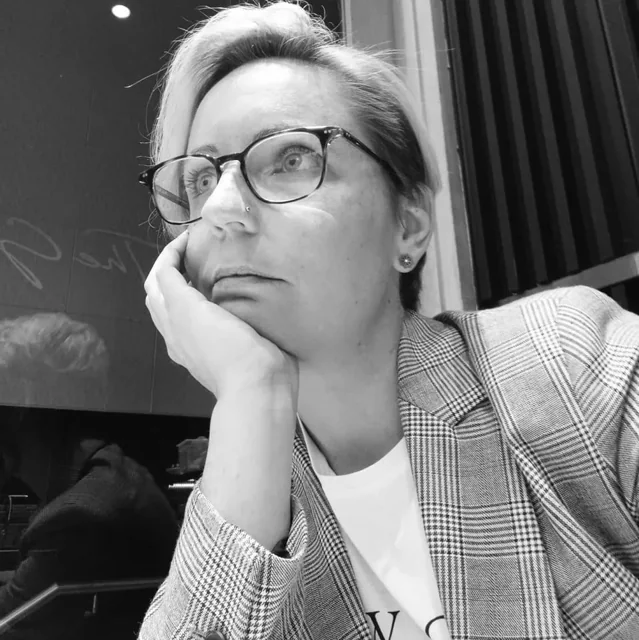
An internationally recognised producer and writer, Jessica’s production credits include the feature film The Legend of Ben Hall and AACTA-nominated short Nathan Loves Ricky Martin. Her debut series Dee-Brief was nominated for 30 awards internationally. She has worked as a producer, writer and story producer in Australia and Bali.
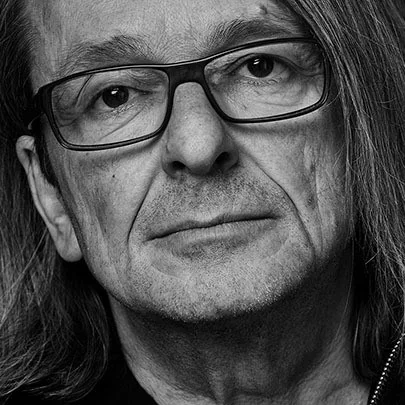
Mick Baumeister is a German film composer and pianist with experience across film, television, theatre and live performance. With a background in conservatory training, theatre music, jazz and solo piano, he has composed scores for more than 500 films and TV movies since 1984. His screen credits include Die glückliche Familie, Krücke and High Society Murder.
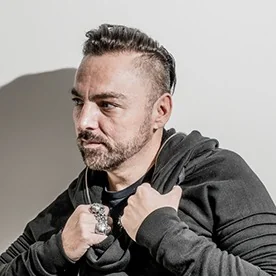
He began with the collective Graffichik and became a lead artist and creative director in the computer games industry, collaborating with Moebius, Philippe Druillet and Paulo Coelho while consulting on real-time technology. He later worked as a technical director, compositor and VFX supervisor on films including The Tree of Life, Skyfall, Inception, Harry Potter and The Dark Knight Rises.
03 Production company
Overcrank Media is a Bali-based production company focused on story-led visual work. Support Mode draws on an established production base and a practical approach to production.
Contact the team04 Why now
Artificial intelligence already shapes everyday systems that influence who gets hired, who gets retrained and who gets left behind. These decisions are often framed as neutral, efficient and inevitable.
Economic pressure can make compliance feel like the only option. The language of care and opportunity can conceal systems built around optimisation rather than human need.
Support Mode examines how consent is engineered and control is softened through reassurance.
The film reflects systems already shaping everyday life.
05 Film references
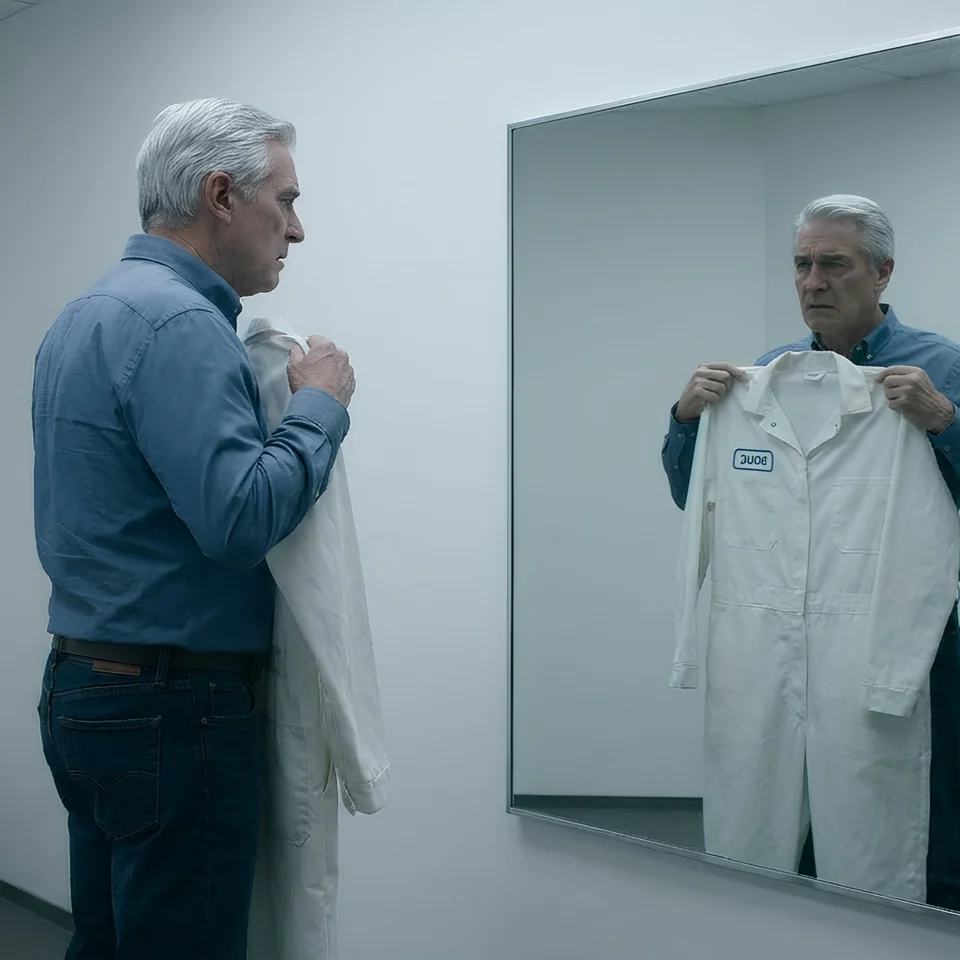
Three reference points shape the film’s uneasy balance of near-future realism, procedural calm, memory and grief.
Familiar systems become quietly coercive.
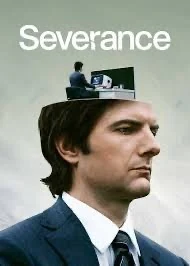
Reassurance sits beside unease in carefully controlled language.
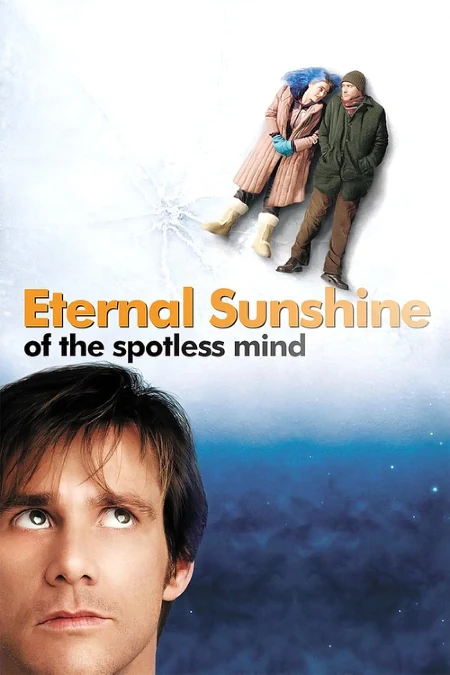
Familiar domestic spaces become unstable from within.
06 Short to feature
Support Mode introduces Medilink at an intimate scale: one subject, one process and a handful of familiar spaces. Control arrives through the language of support.
The feature film Second Nature expands that logic to an institutional scale, where the system is more integrated and harder to resist. Together, the films trace the human choices built into AI systems.
07 Key characters
Doug wants his life back. Medilink treats that need as a problem to resolve.
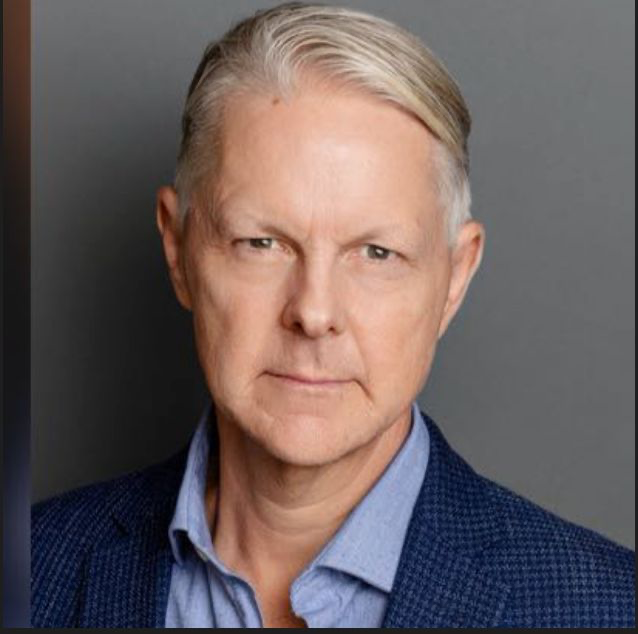
Grounded, stubborn and grieving. Doug wants his life back, or at least the right to hold on to what remains. Medilink sees his grief as instability and his resistance as a problem to resolve.

Polished, composed and persuasive. Lucy believes in structure and measurable outcomes. She sees herself guiding difficult people through a necessary process as the system tightens its grip.
08 The system
Medilink is an early rollout of a scalable AI support system. Its process is supervised, refined and presented as care.
09 The world
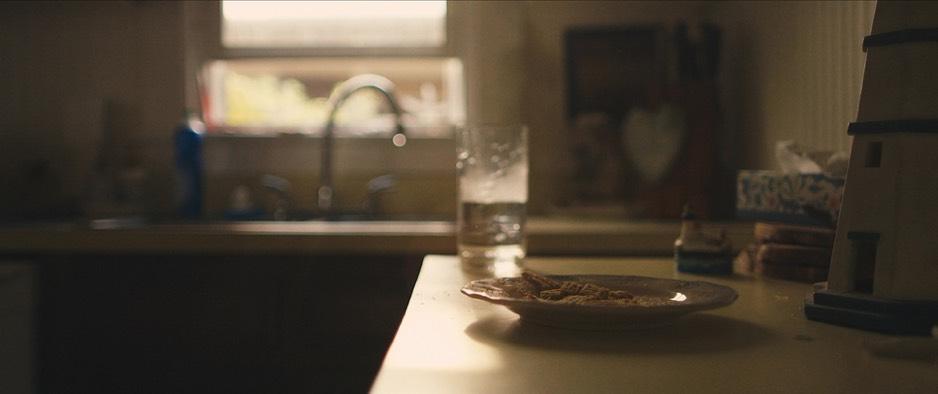
A bus route, a small apartment, a doorway, a kitchen table. Close enough to the present to feel disturbing.
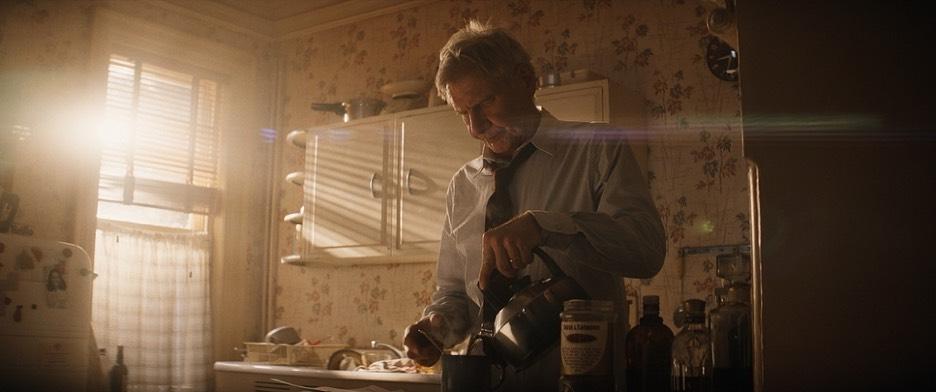
Doug’s apartment is modest, dim and worn in. It holds the small rituals that remain after everything else changes.
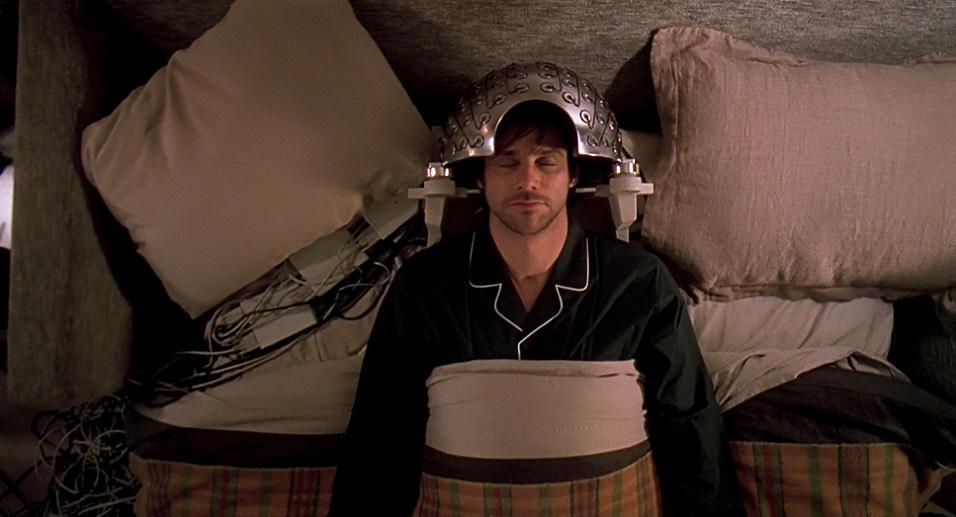
The programme rebuilds personal spaces from memory, then changes the details to lower resistance.
Medilink turns ordinary rooms and routes into a controlled path through recovery.
Support becomes coercive as the system narrows the choices available to Doug.
10 Director’s statement
“The technology works. That is the point.”
Support Mode is a personal film about systems that present themselves as helpful while quietly taking away choice. The control that unsettles me most arrives politely, in language designed to feel as if it is for your own good.
Doug represents people who struggle to adapt and are quickly reframed as problems to be managed. He is grieving, displaced and holding on to the last parts of his life that still feel like his own. The system reads that grief as resistance.
I wanted to tell this story through familiar spaces rather than spectacle: a bus route, a small apartment, a kitchen table. The technology works. That is the point.
11 Release strategy
Support Mode is planned for a festival-first rollout, beginning with genre-focused and regional festivals where its tone, concept and contained execution can connect with audiences.
An early target is Balinale, local to the production and internationally recognised. The strategy then expands to genre and short-film festivals, a curated online release and industry use alongside Second Nature.
Planned schedule